
A Technical Support Engineer is an IT professional who helps individuals and organisations solve technical problems related to computers, software, hardware, networks, and digital systems. This role is important because businesses depend on technology to manage their daily operations.
Technical Support Engineers identify problems, investigate their causes, and provide suitable solutions. They may work in software companies, IT departments, telecommunications organisations, banks, hospitals, educational institutions, and other businesses.
With the increasing use of computers, software, and internet-based services, technical support professionals have become important in many industries.
In this article, we will discuss the Technical Support Engineer job, responsibilities, qualifications, required skills, salary expectations, and career opportunities.
What Is a Technical Support Engineer?
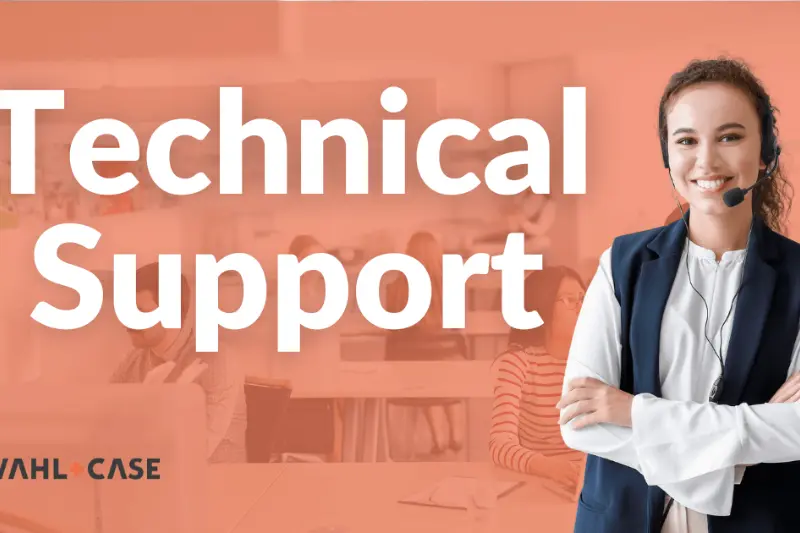
A Technical Support Engineer is responsible for providing technical assistance to customers, employees, and other computer users.
The main purpose of this job is to ensure that technical systems work properly and that users can solve problems without unnecessary delays.
For example, if an employee cannot connect to the office network, a Technical Support Engineer investigates the problem and helps restore the connection.
Similarly, if a customer experiences an error while using software, the engineer identifies the issue and explains how to resolve it.
Technical Support Engineers may provide assistance through telephone calls, emails, online chat, remote access software, or face-to-face communication.
What Does a Technical Support Engineer Do?
The daily responsibilities of a Technical Support Engineer depend on the organisation and type of technology being supported.
Some common responsibilities include:
Troubleshooting Computer Problems
Technical Support Engineers identify and solve problems related to computers, laptops, printers, and other electronic devices.
They check hardware and software settings to find the cause of technical errors.
Installing Software and Applications
They install, update, configure, and maintain computer applications and operating systems.
They also help users understand how to operate different software programmes.
Solving Network Issues
Technical Support Engineers help resolve internet connectivity problems, Wi-Fi errors, network configuration issues, and other communication-related difficulties.
Providing Customer Support
Some engineers communicate directly with customers who experience problems with a company’s products or services.
They listen to complaints, understand technical requirements, and provide appropriate solutions.
Maintaining Technical Records
They record reported problems, troubleshooting steps, solutions, and unresolved issues in support systems.
These records help organisations track technical problems and improve their support services.
Escalating Complex Problems
If an issue cannot be resolved by the support team, the engineer transfers it to a specialised department, such as software development, networking, or system administration.
Technical Support Engineer Job Responsibilities
A Technical Support Engineer may perform the following tasks during working hours:
- Responding to technical support requests.
- Diagnosing computer and software problems.
- Installing and configuring hardware.
- Maintaining computer systems.
- Supporting internet and network connections.
- Updating software and applications.
- Creating and managing support tickets.
- Helping employees use technical systems.
- Preparing technical reports.
- Maintaining records of resolved problems.
- Communicating with other IT departments.
- Following company security procedures.
The exact responsibilities depend on the organisation’s size and technical requirements.
You may also like these posts:
Education Portal 3.0: Login, Registration and Features
HCL Tech Share Price: Latest Stock Market Guide
Jio Finance Share Price: Latest Updates and Outlook
Technical Dhiraj: Website, YouTube, and Tech Guide
Types of Technical Support Engineers

Technical Support Engineers can work in different areas of the IT industry.
IT Support Engineer
An IT Support Engineer helps employees with computer systems, office software, printers, networks, and other workplace technology.
Software Support Engineer
A Software Support Engineer helps users resolve problems related to applications, programmes, and software products.
Hardware Support Engineer
A Hardware Support Engineer identifies and repairs problems involving computers, laptops, printers, servers, and other physical equipment.
Network Support Engineer
A Network Support Engineer maintains computer networks and helps resolve internet, connectivity, and network security problems.
Application Support Engineer
An Application Support Engineer monitors business applications, investigates software errors, and helps ensure that applications operate correctly.
Field Technical Support Engineer
A Field Technical Support Engineer visits customer locations or offices to install equipment, inspect technical systems, and resolve hardware or network problems.
Educational Qualification for a Technical Support Engineer
Educational requirements vary according to the employer and the technical responsibilities of the position.
Common qualifications include:
- Diploma in Information Technology.
- Bachelor’s degree in Computer Science.
- Bachelor’s degree in Information Technology.
- Bachelor’s degree in Software Engineering.
- Bachelor’s degree in Computer Engineering.
- Relevant technical or vocational qualifications.
Some organisations also consider candidates with practical computer knowledge, relevant certifications, and work experience.
A degree is not always compulsory for entry-level technical support positions. However, employers may require higher qualifications for specialised engineering roles.
Skills Required to Become a Technical Support Engineer
A Technical Support Engineer needs technical knowledge and communication skills.
Computer Skills
Candidates should understand basic computer operations, Windows operating systems, file management, software installation, and common computer errors.
Troubleshooting Skills
Problem-solving is one of the most important skills in this profession. Engineers must identify the cause of an issue and select an appropriate solution.
Networking Knowledge
Basic knowledge of internet connections, routers, Wi-Fi, IP addresses, and computer networks is useful.
Communication Skills
Technical Support Engineers must explain technical information in simple language so that customers and employees can understand the solution.
Time Management
They may receive several support requests during the same working day. Good time management helps them handle important issues efficiently.
Patience
Some users may have limited technical knowledge. Engineers need patience when explaining solutions and answering questions.
Documentation Skills
They should be able to prepare reports, update support tickets, and maintain accurate records of technical problems.
Technical Tools Used by Technical Support Engineers
Technical Support Engineers may use different software tools and applications to perform their duties.
| Tool or Technology | Main Purpose |
|---|---|
| Microsoft Windows | Operating system support |
| Microsoft Office | Documentation and office tasks |
| TeamViewer | Remote computer assistance |
| AnyDesk | Remote technical support |
| ServiceNow | Support ticket management |
| Jira Service Management | Tracking technical issues |
| Wireshark | Network troubleshooting |
| Command Prompt | Diagnosing computer problems |
| Linux | Operating system management |
| SQL | Working with databases |
The tools required depend on the company’s systems and the type of technical support provided.
Technical Support Engineer Salary
The salary of a Technical Support Engineer depends on several factors, including educational qualifications, technical skills, work experience, employer, and job location.
In Pakistan, salaries can vary considerably between small IT companies, software houses, telecommunications organisations, and large multinational businesses.
Entry-level support positions generally offer lower salaries than specialised roles requiring networking, database, cloud, or advanced software knowledge.
In India, salary packages also vary according to experience, city, company, and technical specialisation.
Candidates should compare current job advertisements rather than relying on one fixed salary figure.
How to Become a Technical Support Engineer
People interested in this profession can follow a step-by-step learning process.
Step 1: Learn Basic Computer Skills
Start by learning computer fundamentals, Windows, Microsoft Office, file management, and software installation.
Step 2: Understand Hardware
Learn about computer components such as RAM, hard drives, processors, motherboards, keyboards, and printers.
Step 3: Study Networking Basics
Understand internet connections, routers, IP addresses, LAN, WAN, and Wi-Fi troubleshooting.
Step 4: Practise Troubleshooting
Practise solving common computer problems, including slow performance, software errors, printer problems, and internet connectivity issues.
Step 5: Learn Technical Support Tools
Develop practical knowledge of remote access software and support ticketing systems.
Step 6: Consider Professional Certifications
Some useful certifications include:
- CompTIA A+
- CompTIA Network+
- Cisco CCNA
- ITIL Foundation
- Microsoft technical certifications
These certifications can help demonstrate technical knowledge, although their importance depends on the employer.
Step 7: Apply for Entry-Level Jobs
Look for positions such as IT Support Assistant, Help Desk Technician, Computer Support Technician, Junior Technical Support Engineer, and IT Support Executive.
These roles can provide valuable practical experience.
Career Opportunities for Technical Support Engineers
Technical Support Engineers can develop their careers in different IT specialisations.
With experience and additional training, they may progress into positions such as:
- Senior Technical Support Engineer
- IT Support Manager
- Network Administrator
- System Administrator
- Network Engineer
- Application Support Specialist
- IT Operations Manager
- Cybersecurity Analyst
- Technical Project Manager
Career growth depends on practical experience, technical expertise, and professional development.
Difference Between Technical Support Engineer and Customer Support Executive
Although both positions involve helping people, their responsibilities are different.
| Technical Support Engineer | Customer Support Executive |
|---|---|
| Handles technical problems | Handles general customer questions |
| Requires computer and IT knowledge | Requires customer service skills |
| Troubleshoots software and hardware | Provides information about products and services |
| May configure networks and systems | Usually handles service-related enquiries |
| Works with technical teams | Works with customer service teams |
Some companies combine both responsibilities into one position, but specialised technical support generally requires stronger IT knowledge.
Is Technical Support Engineer a Good Career?
Yes, Technical Support Engineer can be a good career for people who enjoy computers, technology, and problem-solving.
It provides opportunities to learn about operating systems, software, hardware, networks, and business applications.
It can also serve as a starting point for people who want to enter the IT industry without immediately becoming software developers.
However, candidates should understand that some positions involve regular customer interaction, telephone calls, emails, and support requests. Other positions focus more on internal IT operations and employee assistance.
Therefore, it is important to read the job description before applying.
Frequently Asked Questions
What is the main job of a Technical Support Engineer?
The main job is to identify, troubleshoot, and resolve technical problems related to computers, software, hardware, networks, and IT systems.
What qualification is required for a Technical Support Engineer?
Employers may require a diploma or bachelor’s degree in IT, Computer Science, Software Engineering, or a related field. Some entry-level positions accept candidates with relevant practical skills.
Is coding necessary for a Technical Support Engineer?
Basic technical support jobs may not require programming. However, knowledge of scripting, SQL, and programming concepts can be useful for specialised positions.
Can freshers apply for Technical Support Engineer jobs?
Yes, freshers can apply for entry-level positions such as Junior Technical Support Engineer, IT Support Assistant, and Help Desk Technician.
Is Technical Support Engineer an IT job?
Yes, it is an IT-related profession that focuses on maintaining and troubleshooting computer systems, software, hardware, and networks.
Conclusion
A Technical Support Engineer plays an important role in maintaining computer systems, software applications, hardware devices, and networks. The job involves identifying technical problems, providing solutions, assisting users, and maintaining technical records.
Candidates interested in this career should develop computer knowledge, troubleshooting abilities, networking skills, and effective communication. Professional certifications and practical experience can also improve employment opportunities.
With continuous learning and experience, a Technical Support Engineer can progress towards specialised IT positions, senior technical roles, and management opportunities.