Technology is evolving at an unprecedented pace, transforming every aspect of our lives. From the way we communicate to the way we work, learn, and even entertain ourselves, tech innovations continue to redefine the boundaries of what is possible. The rapid advancement of technology has created a dynamic environment where innovation is not just encouraged but essential for survival in today’s fast-paced world.
The Role of Technology in Modern Society

Tech innovations have become the backbone of modern society. They have influenced industries such as healthcare, education, transportation, and entertainment, creating more efficient, cost-effective, and innovative solutions. For instance, artificial intelligence and machine learning algorithms are now used to analyze complex data, predict trends, and provide solutions that were once considered impossible. Similarly, automation has revolutionized manufacturing processes, reducing human error and increasing productivity.
In addition to industrial and business applications, technology has dramatically improved personal lives. Smartphones, smart homes, and wearable devices have changed the way we interact with our surroundings. People can monitor their health in real-time, communicate instantly across continents, and access information within seconds. This level of connectivity and convenience would have been unimaginable a few decades ago.
Key Areas of Tech Innovation

Several areas of technology have experienced significant breakthroughs in recent years. These innovations are not just incremental improvements but transformative changes that have the potential to redefine industries and reshape society.
1. Artificial Intelligence and Machine Learning
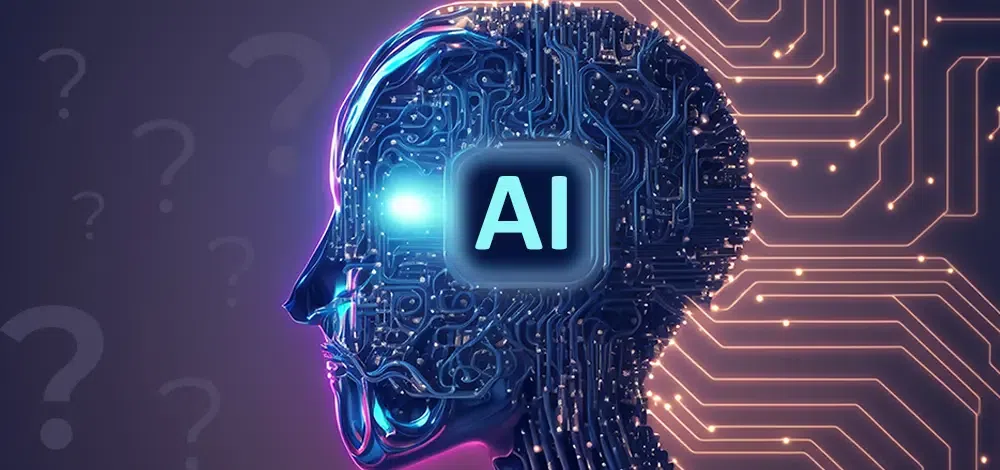
Artificial intelligence (AI) is at the forefront of tech innovation. AI systems can perform tasks that typically require human intelligence, such as problem-solving, decision-making, and learning from experience. Machine learning, a subset of AI, allows computers to improve their performance over time without explicit programming. From virtual assistants and chatbots to predictive analytics and autonomous vehicles, AI has proven to be a game-changer across multiple sectors.
In healthcare, AI is used to analyze medical images, predict patient outcomes, and even assist in surgery. In finance, algorithms analyze massive amounts of data to detect fraud, manage risks, and optimize investments. AI’s versatility and adaptability make it one of the most powerful tools in modern technology.
2. Internet of Things (IoT)
The Internet of Things (IoT) refers to a network of interconnected devices that communicate and share data with each other. Smart homes, wearable fitness trackers, and connected cars are all examples of IoT applications. By enabling devices to exchange information seamlessly, IoT improves efficiency, convenience, and safety.
In industrial settings, IoT devices monitor equipment performance, detect potential failures, and optimize production processes. In urban planning, smart cities use IoT technology to manage traffic, reduce energy consumption, and improve public services. The integration of IoT into daily life has made technology more intuitive and responsive to human needs.
3. Renewable Energy Technologies
As the world grapples with climate change, tech innovations in renewable energy have become crucial. Solar panels, wind turbines, and energy storage systems are becoming more efficient and affordable, making sustainable energy solutions more accessible. Advances in battery technology, for instance, have improved the storage and distribution of energy, enabling the adoption of electric vehicles and renewable power grids.
Moreover, smart grids powered by advanced sensors and analytics can optimize energy consumption and reduce waste. By combining renewable energy sources with innovative technologies, we can move towards a cleaner, more sustainable future.
4. Biotechnology and Healthcare Innovations
Biotechnology is transforming healthcare through innovations in gene editing, personalized medicine, and diagnostic tools. Techniques like CRISPR have opened up new possibilities for treating genetic disorders and developing targeted therapies. Personalized medicine uses a patient’s genetic information to design customized treatments, increasing effectiveness and minimizing side effects.
Telemedicine and digital health platforms have also revolutionized healthcare delivery, providing remote access to medical professionals and reducing the need for in-person visits. These innovations not only improve patient outcomes but also make healthcare more accessible and affordable.
5. Robotics and Automation
Robotics and automation have significantly altered manufacturing, logistics, and service industries. Robots can perform repetitive, dangerous, or complex tasks with precision and consistency, reducing human error and increasing productivity. In warehouses, autonomous robots streamline inventory management and order fulfillment. In healthcare, robotic surgery allows for minimally invasive procedures with faster recovery times.
Automation is not limited to physical tasks. Software automation and robotic process automation (RPA) streamline business operations by handling routine, time-consuming tasks such as data entry, invoice processing, and customer support. As robots become more intelligent and adaptable, their potential applications continue to expand.
6. Virtual and Augmented Reality
Virtual reality (VR) and augmented reality (AR) technologies are reshaping entertainment, education, and professional training. VR immerses users in a fully digital environment, while AR overlays digital information onto the real world. These technologies provide new ways to learn, explore, and interact with content.
In education, VR simulations allow students to experience complex scenarios, such as historical events or scientific experiments, in a safe and engaging environment. In industries like architecture and construction, AR assists in visualizing projects and improving design accuracy. Gaming and entertainment continue to benefit from immersive experiences that engage users on a whole new level.
The Future of Tech Innovations
The pace of technological innovation shows no signs of slowing down. Emerging fields such as quantum computing, nanotechnology, and space exploration promise to bring even more radical changes to our lives. Quantum computers, for instance, have the potential to solve problems that are currently impossible for classical computers, revolutionizing fields like cryptography, material science, and drug discovery.
Moreover, the ethical and societal implications of technology are becoming increasingly important. As AI, biotechnology, and automation evolve, it is crucial to ensure that innovations benefit humanity as a whole. Responsible innovation, data privacy, and cybersecurity are key considerations for shaping a future where technology serves society positively.
Challenges and Considerations
While tech innovations offer tremendous opportunities, they also present significant challenges. Rapid technological change can disrupt industries, leading to job displacement and social inequality. Ethical concerns surrounding AI, data privacy, and genetic engineering require careful regulation and oversight.
Additionally, the environmental impact of technology cannot be ignored. Electronic waste, energy consumption, and resource extraction pose sustainability challenges. Tech innovators must balance progress with responsibility, ensuring that advancements contribute to a better, more equitable world.
Conclusion
Tech innovations are more than just new gadgets or software—they are transformative forces shaping the way we live, work, and interact. From AI and IoT to renewable energy, robotics, and biotechnology, technological advancements continue to redefine human potential. As we move forward, embracing these innovations responsibly and ethically will be essential for creating a sustainable, connected, and prosperous future.
The journey of technological innovation is ongoing, and its possibilities are limitless. By understanding and leveraging these advancements, individuals, businesses, and societies can unlock new opportunities, solve complex challenges, and create a world that is smarter, safer, and more efficient.