
In today’s fast-paced world, businesses are constantly seeking innovative ways to reach their audience. Traditional marketing methods, such as print ads, billboards, and television commercials, are no longer enough to create meaningful connections with consumers. This is where digital marketing comes into play. Digital marketing leverages online channels, technology, and data-driven strategies to promote products and services, making it an essential part of modern business growth.
What is Digital Marketing?
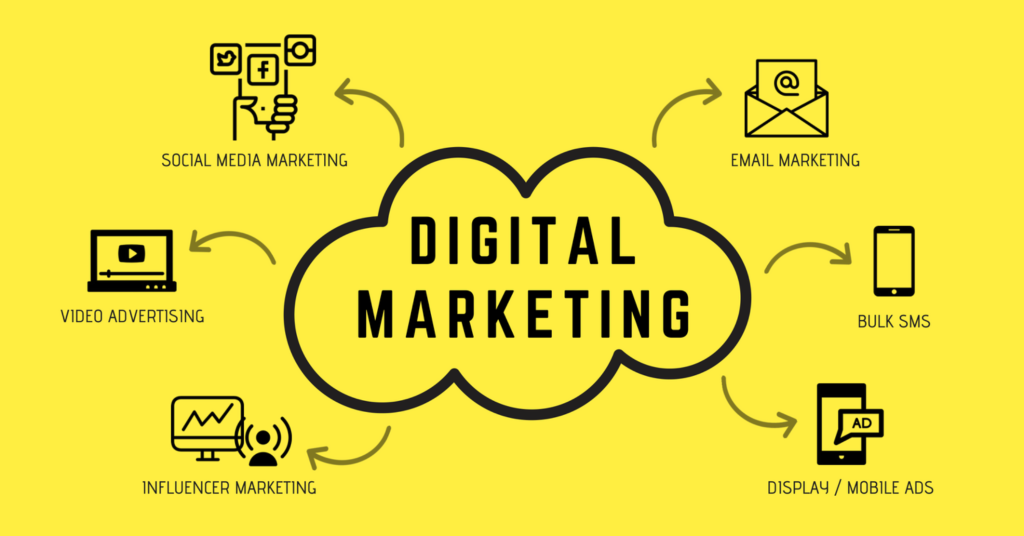
Digital marketing is the use of digital channels and technologies to promote products or services. Unlike traditional marketing, digital marketing focuses on online platforms such as social media, search engines, email, websites, and mobile apps. It allows businesses to connect with their audience in a more personalized, measurable, and cost-effective way.
The rise of the internet, smartphones, and social media platforms has revolutionized the way businesses reach consumers. Digital marketing is not just about advertising; it encompasses a wide range of strategies and tactics that aim to increase brand awareness, generate leads, and drive sales.
Key Components of Digital Marketing
Digital marketing is a broad field, and it consists of several key components, each serving a specific purpose in helping businesses achieve their goals.
1. Search Engine Optimization (SEO)
Search Engine Optimization, commonly known as SEO, is the process of improving a website’s visibility on search engines like Google, Bing, or Yahoo. When a potential customer searches for a product or service, SEO ensures that a business’s website appears higher in the search results.
SEO involves optimizing website content, improving page speed, using relevant keywords, and building backlinks from reputable sources. A strong SEO strategy increases organic traffic, which is valuable because it targets users who are actively searching for what a business offers.
2. Content Marketing
Content marketing focuses on creating valuable, relevant, and consistent content to attract and engage an audience. This content can take various forms, including blogs, videos, infographics, podcasts, and ebooks.
The goal of content marketing is to educate, entertain, or solve problems for the audience. High-quality content builds trust, establishes authority, and encourages potential customers to take action, such as making a purchase or signing up for a newsletter.
3. Social Media Marketing
Social media marketing involves using platforms like Facebook, Instagram, LinkedIn, Twitter, and TikTok to promote products, services, or brand messages. Social media allows businesses to engage directly with their audience, respond to feedback, and create communities around their brand.
Effective social media marketing requires understanding the audience, creating engaging content, and using analytics to track performance. Paid social media campaigns can also amplify reach and target specific demographics.
4. Email Marketing
Email marketing is one of the most cost-effective digital marketing strategies. It involves sending targeted emails to potential or existing customers to promote products, share updates, or nurture relationships.
Personalized and relevant email campaigns can drive engagement, improve customer retention, and increase sales. Key tactics include segmentation, automation, and A/B testing to optimize results.
5. Pay-Per-Click Advertising (PPC)
Pay-per-click advertising, or PPC, is a model where businesses pay each time a user clicks on their online ads. These ads appear on search engines, social media platforms, or other websites.
PPC campaigns are highly targeted, allowing businesses to reach users based on demographics, interests, or search intent. Platforms like Google Ads and social media networks offer robust tools to track performance and ensure a strong return on investment.
6. Influencer Marketing
Influencer marketing involves collaborating with individuals who have a strong online presence and influence over a specific audience. These influencers promote products or services, leveraging their credibility and reach to boost brand awareness and sales.
Influencer marketing is particularly effective for brands targeting younger audiences, as consumers often trust recommendations from people they follow online.
7. Affiliate Marketing
Affiliate marketing is a performance-based strategy where businesses reward partners (affiliates) for driving traffic or sales through their marketing efforts. Affiliates use their platforms, such as blogs, social media, or websites, to promote products and earn a commission on successful referrals.
This strategy expands a brand’s reach while minimizing upfront marketing costs, as payments are based on actual results.
Benefits of Digital Marketing
Digital marketing offers numerous benefits for businesses of all sizes. Here are some of the most significant advantages:
1. Cost-Effective
Compared to traditional marketing methods, digital marketing is often more affordable. Small businesses can reach a global audience without spending millions on TV or print ads.
2. Measurable Results
Digital marketing provides detailed analytics that allows businesses to track performance in real time. Companies can see exactly how many people viewed their content, clicked on links, or made purchases.
3. Targeted Marketing
Digital platforms allow precise targeting based on demographics, interests, location, and behavior. This ensures that marketing efforts reach the most relevant audience.
4. Improved Engagement
Social media, email campaigns, and content marketing allow businesses to engage with their audience directly. Engaged customers are more likely to become loyal brand advocates.
5. Global Reach
Digital marketing enables businesses to reach audiences around the world. A small business can attract customers from different countries without having a physical presence there.
6. Flexibility and Adaptability
Digital marketing strategies can be adjusted quickly based on performance data. If a campaign is underperforming, businesses can tweak content, targeting, or budget in real time.
Challenges in Digital Marketing
While digital marketing offers tremendous opportunities, it also comes with challenges:
- High Competition: The digital space is crowded, making it difficult for new businesses to stand out.
- Constant Changes: Algorithms, trends, and consumer behaviors evolve rapidly, requiring marketers to stay updated.
- Data Privacy Concerns: With stricter regulations, businesses must ensure they handle customer data responsibly.
- Content Overload: Users are exposed to vast amounts of content daily, making it harder to capture attention.
The Future of Digital Marketing
Digital marketing continues to evolve with technological advancements. Emerging trends include:
- Artificial Intelligence: AI is being used to analyze data, personalize campaigns, and improve customer experiences.
- Voice Search: As voice assistants become more popular, optimizing content for voice search is increasingly important.
- Video Marketing: Video content is highly engaging and expected to dominate digital marketing in the coming years.
- Interactive Content: Quizzes, polls, and augmented reality experiences are driving higher user engagement.
- Sustainability Marketing: Consumers are increasingly valuing brands that promote sustainable and ethical practices.
Businesses that adapt to these trends and invest in innovative digital marketing strategies are likely to maintain a competitive edge.
Conclusion
Digital marketing has transformed the way businesses connect with their audience. It offers unparalleled opportunities for growth, engagement, and brand building. By leveraging strategies such as SEO, social media, content marketing, email campaigns, and PPC advertising, businesses can create meaningful connections with their customers and achieve measurable results.
As technology continues to advance and consumer behavior evolves, digital marketing will remain a dynamic and essential aspect of business success. Companies that embrace this digital revolution and continuously innovate will not only survive but thrive in the competitive marketplace.