
Introduction
Web Development Tutorials are a great way to learn how websites and web applications are built from scratch. These tutorials help beginners understand the basics of coding while also helping intermediate learners improve their skills. Learning through web development tutorials allows readers to build real projects and understand practical concepts easily. Many learners choose these tutorials because they break complex ideas into simple steps that anyone can follow.
In today’s digital world, web development skills are highly valuable. Businesses, bloggers, and companies need websites to connect with customers. Web development tutorials provide structured learning paths that help readers understand front end design, back end logic, and database management. These tutorials guide users through coding languages, frameworks, and tools used in modern development.
Moreover, learning through web development tutorials builds problem solving skills and creativity. Beginners can learn to create simple web pages, while intermediate learners can build advanced applications. With consistent practice, learners can create professional websites and even start freelance or career opportunities. This article explains everything readers need to know about web development tutorials in simple English.
What is Web Development Tutorials?
Web development tutorials are learning resources that teach users how to create and manage websites. These tutorials include step by step lessons, examples, and coding exercises. They focus on building websites using programming languages such as HTML, CSS, and JavaScript. Some tutorials also explain server side technologies and database integration.
Web development tutorials help learners understand how websites function. They explain how web pages are designed, how users interact with them, and how data is processed. Tutorials often include hands on exercises that help learners apply their knowledge practically.
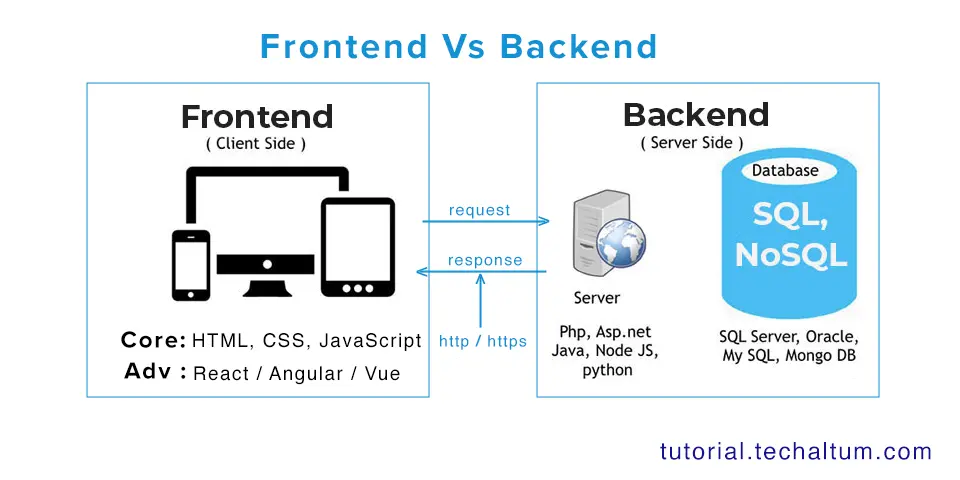
Web development tutorials are usually divided into three main areas. The first area is front end development, which focuses on the design and layout of websites. The second area is back end development, which manages server operations and data processing. The third area is full stack development, which combines both front end and back end knowledge.
These tutorials are available in different formats such as written guides, video lessons, and interactive courses. Learners can choose the format that suits their learning style. Overall, web development tutorials make learning coding easier and more structured.
Why is Web Development Tutorials Important?

Web development tutorials play an important role in helping learners understand modern technology. They provide organized learning paths that reduce confusion for beginners. Instead of learning random coding topics, tutorials guide learners through structured lessons.
Web development tutorials are important because they help learners build real world skills. Websites are essential for businesses, education platforms, and personal branding. Learning web development helps individuals create their own online presence.
Another reason web development tutorials are valuable is that they improve career opportunities. Many companies look for skilled developers who can design and maintain websites. Learning through tutorials helps learners gain practical experience that employers value.
Additionally, tutorials help learners stay updated with new technologies. Web development changes frequently with new frameworks and tools. Tutorials introduce learners to these updates and help them stay competitive. These tutorials also encourage creativity by allowing learners to build unique projects.
Detailed Step by Step Guide
Step 1: Learn Basic HTML
HTML is the foundation of web development. It helps create the structure of web pages. Learners should start by understanding tags, headings, paragraphs, images, and links. Practicing HTML helps beginners understand how web content is organized.
Step 2: Understand CSS Styling
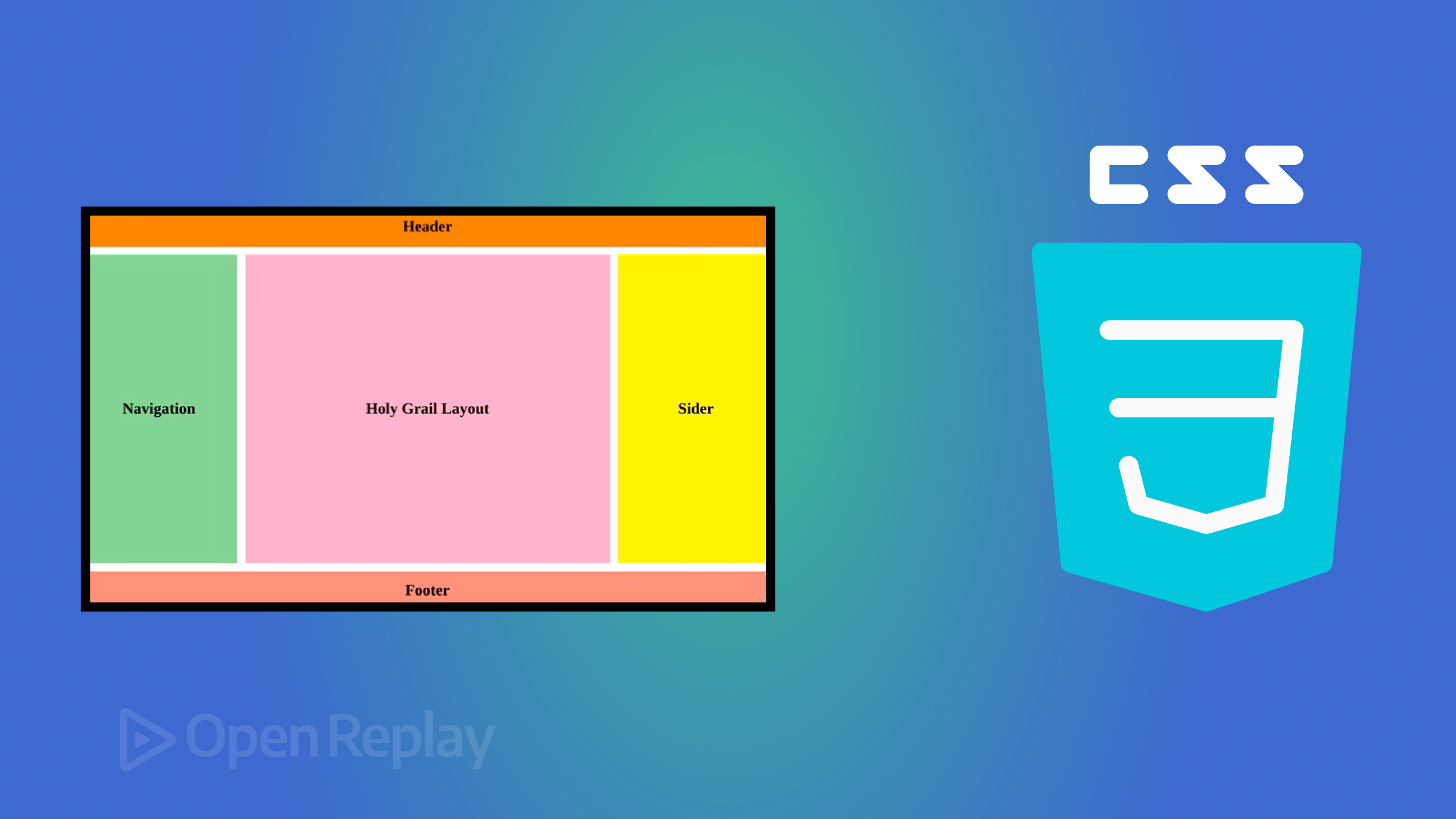
CSS is used to style web pages. It controls colors, fonts, layouts, and animations. Learners should practice applying CSS to HTML elements. Understanding CSS helps create visually appealing websites.
Step 3: Learn JavaScript Basics
JavaScript adds interactivity to websites. It allows developers to create features like forms, sliders, and dynamic content. Beginners should learn variables, functions, and events. Practicing JavaScript helps learners create interactive user experiences.
Step 4: Explore Responsive Design
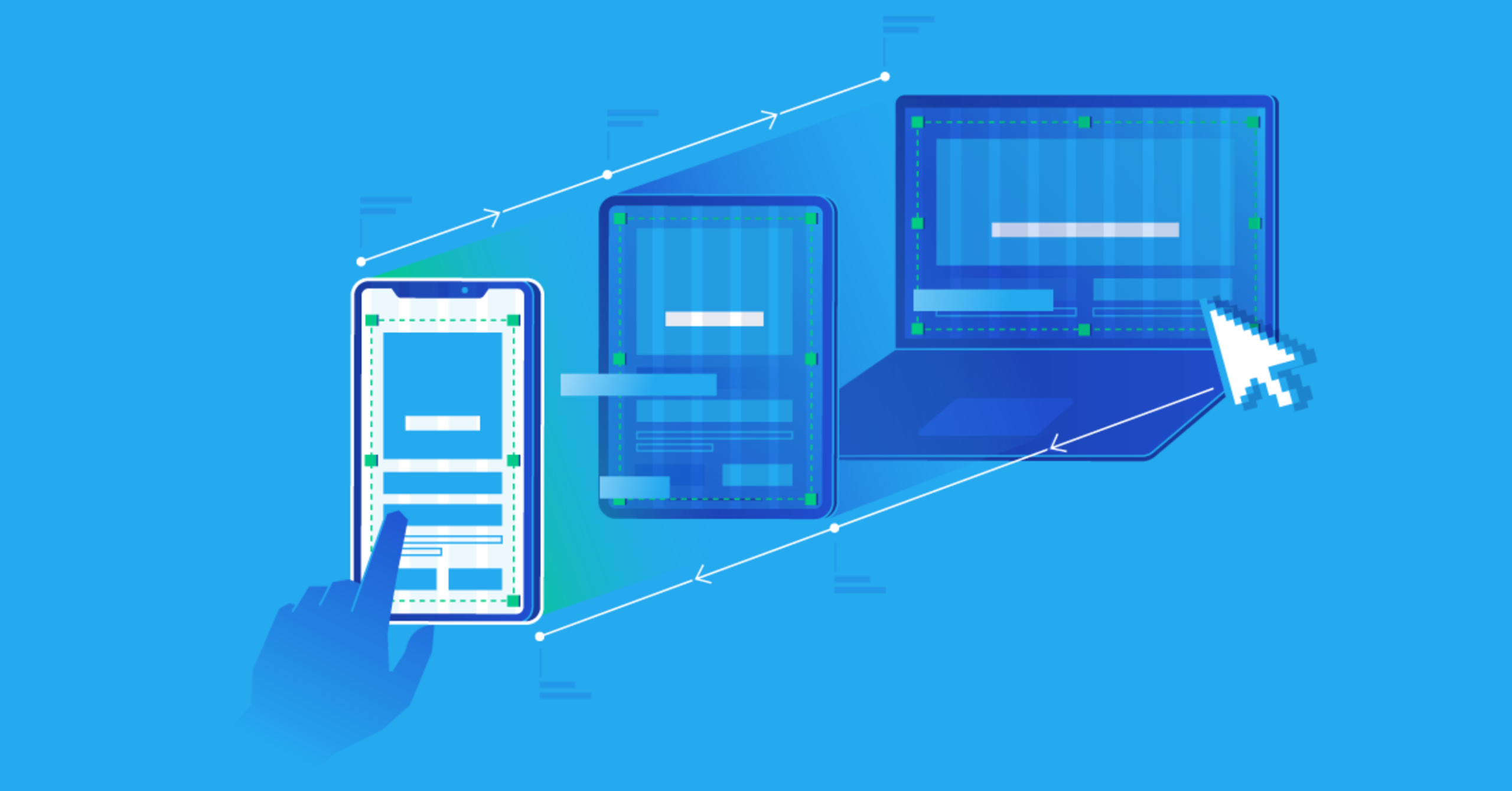
Responsive design ensures websites work properly on different devices. Learners should understand media queries and flexible layouts. This step helps developers create mobile friendly websites.
Step 5: Learn Version Control Systems
Version control systems like Git help developers track changes in their projects. Learning version control improves teamwork and project management skills. Developers can save progress and fix errors easily.
Step 6: Understand Back End Development
Back end development focuses on server operations and databases. Learners should understand basic server languages and how data is stored. This knowledge helps developers build functional applications.
Step 7: Practice Building Projects
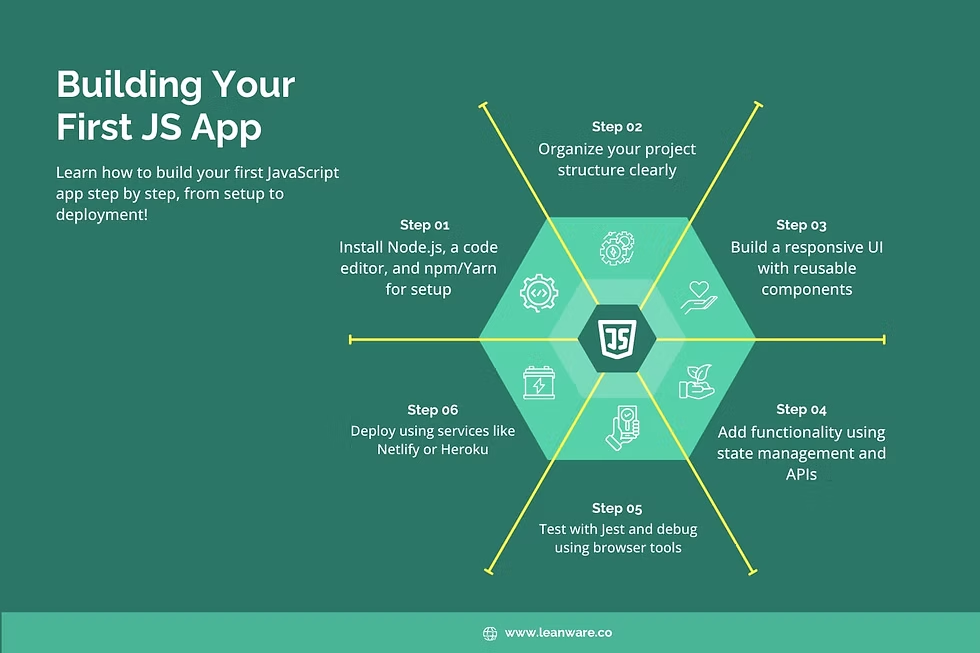
Building projects is essential for learning web development. Learners should create personal websites, blogs, or small applications. Practical experience improves confidence and skill level.
Step 8: Learn Frameworks and Libraries
Frameworks and libraries simplify coding. Learners can explore popular tools to speed up development. Understanding frameworks helps intermediate learners build advanced applications.
Benefits of Web Development Tutorials
Provide structured learning paths for beginners
Help learners understand coding concepts clearly
Improve creativity and problem solving skills
Provide practical project based learning
Increase career and freelance opportunities
Help learners stay updated with modern technologies
Allow flexible learning at personal pace
Support both beginners and intermediate learners
Disadvantages / Risks
- Some tutorials may provide outdated information
- Learners may feel overwhelmed by technical topics
- Free tutorials may lack advanced guidance
- Lack of practice can reduce learning effectiveness
- Too many learning sources can create confusion
- Some tutorials may focus only on theory
Common Mistakes to Avoid
Many beginners make mistakes while learning web development. One common mistake is skipping the basics. Learners often try advanced frameworks before understanding HTML, CSS, and JavaScript fundamentals. This approach creates confusion and slows learning progress.
Another mistake is avoiding practice. Reading tutorials without coding reduces learning effectiveness. Learners should practice regularly to improve their skills. Building projects helps learners apply theoretical knowledge.
Many learners also copy code without understanding it. This habit prevents skill development. Instead, learners should try to write code themselves and understand each line. Web development tutorials encourage active learning.
FAQs
What skills are required to learn web development?
Learners need basic computer knowledge and interest in coding. Understanding logical thinking helps beginners learn faster. No advanced technical background is required.
How long does it take to learn web development?
Learning time depends on dedication and practice. Beginners can learn basic skills in a few months. Advanced development skills require continuous learning and project practice.
Are web development tutorials suitable for beginners?
Yes, PRIMARY KEYWORD Web Development Tutorials are designed for beginners. They provide simple explanations and step by step guidance that makes learning easier.
Do I need a degree to become a web developer?
A degree is not always necessary. Many developers learn through tutorials and practice. Strong coding skills and project experience are more important.
Which programming languages should beginners learn first?
FAQs
What skills are required to learn web development?
Learners need basic computer knowledge and interest in coding. Understanding logical thinking helps beginners learn faster. No advanced technical background is required.
How long does it take to learn web development?
Learning time depends on dedication and practice. Beginners can learn basic skills in a few months. Advanced development skills require continuous learning and project practice.
Are web development tutorials suitable for beginners?
Yes, web development tutorials are designed for beginners. They provide simple explanations and step by step guidance that makes learning easier and more structured.
Do I need a degree to become a web developer?
A degree is not always necessary. Many developers learn through tutorials and practice. Strong coding skills and project experience are more important for career growth.
Which programming languages should beginners learn first?
Beginners should start with HTML, CSS, and JavaScript. These languages form the foundation of web development. Later, learners can explore advanced technologies and frameworks.
Can web development be learned online?
Yes, web development can be learned online through tutorials, courses, and coding platforms. Online learning provides flexibility and access to various learning resources for beginners and intermediate learners.
Expert Tips & Bonus Points
Consistency is the key to learning web development. Learners should practice coding daily to improve their skills. Small daily practice sessions are more effective than long irregular sessions.
Another expert tip is to build real projects. Practical experience improves understanding and confidence. Learners should try building websites for personal use or small businesses.
Joining developer communities is also helpful. Communities allow learners to share knowledge and solve coding problems. Learning from others improves coding techniques and creativity.
Learners should also focus on problem solving instead of memorizing code. Understanding logic helps developers handle different coding challenges. Web development tutorials often include coding exercises that improve problem solving skills.
Another bonus tip is to stay updated with new technologies. Web development changes frequently, and learning new tools helps developers stay competitive. Reading documentation and exploring new frameworks improves learning.
Conclusion
Web development tutorials provide a complete learning path for beginners and intermediate learners. These tutorials help readers understand website creation from basic structure to advanced functionality. Learning web development is an excellent skill that offers career opportunities and creative freedom. With structured tutorials, learners can understand coding concepts easily and apply them in real projects.
Web development tutorials teach essential skills such as HTML structure, CSS styling, JavaScript interactivity, and responsive design. They also help learners understand back end technologies and database management. Following tutorials helps learners gain practical experience and confidence in coding. Consistent practice and project building are important for mastering development skills.
Although learning web development may seem challenging, tutorials simplify the process by breaking complex topics into manageable lessons. Beginners can start with simple projects, while intermediate learners can explore advanced frameworks and tools. With dedication and regular practice, learners can create professional websites and applications.
In conclusion, web development tutorials are valuable learning resources that help individuals grow technical skills and achieve professional goals. Anyone with interest and dedication can learn web development through tutorials and build successful digital projects.
Another expert tip is to build real projects. Practical experience improves understanding and confidence. Learners should try building websites for personal use or small businesses.
Joining developer communities is also helpful. Communities allow learners to share knowledge and solve coding problems. Learning from others improves coding techniques and creativity.
Learners should also focus on problem solving instead of memorizing code. Understanding logic helps developers handle different coding challenges. Web Development Tutorials often include coding exercises that improve problem solving skills.
Another bonus tip is to stay updated with new technologies. Web development changes frequently, and learning new tools helps developers stay competitive. Reading documentation and exploring new frameworks improves learning.
Conclusion
Web Development Tutorials provide a complete learning path for beginners and intermediate learners. These tutorials help readers understand website creation from basic structure to advanced functionality. Learning web development is an excellent skill that offers career opportunities and creative freedom. With structured tutorials, learners can understand coding concepts easily and apply them in real projects.
Web development tutorials teach essential skills such as HTML structure, CSS styling, JavaScript interactivity, and responsive design. They also help learners understand back end technologies and database management. Following PRIMARY KEYWORD tutorials helps learners gain practical experience and confidence in coding. Consistent practice and project building are important for mastering development skills.
Although learning web development may seem challenging, tutorials simplify the process by breaking complex topics into manageable lessons. Beginners can start with simple projects, while intermediate learners can explore advanced frameworks and tools. With dedication and regular practice, learners can create professional websites and applications.