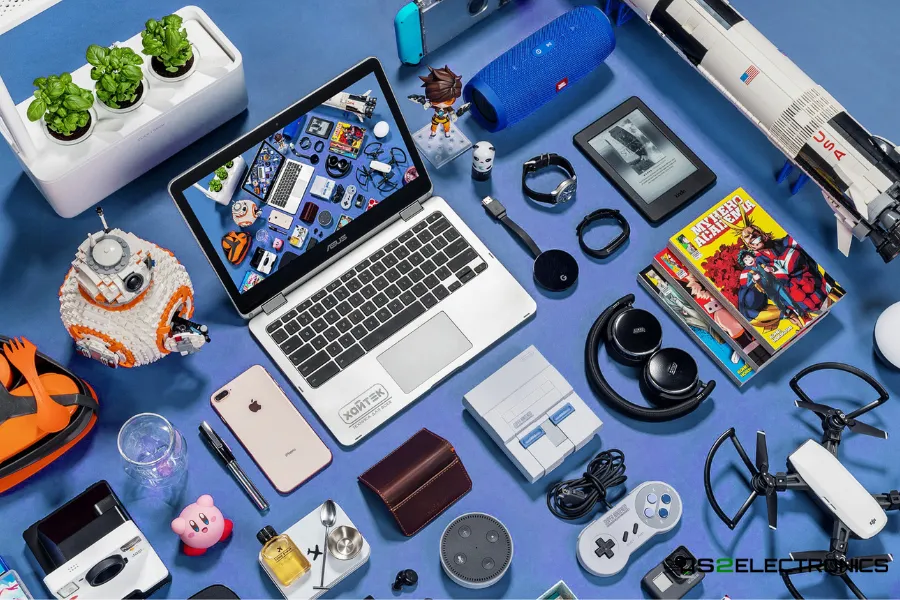

In today’s fast-paced world, gadgets have become an integral part of our lives. From the moment we wake up to the moment we go to sleep, we interact with a variety of devices that simplify tasks, entertain us, and keep us connected. But gadgets are more than just convenient tools—they are a reflection of human ingenuity and innovation. This article explores the fascinating world of gadgets, their evolution, their impact on our daily lives, and what the future may hold.
The Evolution of Gadgets
The concept of gadgets is not new. For centuries, humans have invented tools and devices to make life easier. Early gadgets were simple: a wheel, a pulley, or a compass. These inventions laid the foundation for more sophisticated tools in the future.
With the advent of electricity and mechanical engineering, gadgets became more complex and versatile. In the 20th century, household gadgets like refrigerators, washing machines, and vacuum cleaners transformed domestic life. These devices reduced physical labor and gave people more time for leisure and creativity.
The digital revolution marked a major turning point. Computers, smartphones, and wearable devices became the new definition of gadgets. Suddenly, devices were not just mechanical tools—they were interactive, connected, and capable of performing multiple tasks. Today, a single smartphone can function as a camera, calculator, music player, GPS, and even a personal assistant.
Types of Gadgets
Gadgets can be classified into several categories based on their purpose and functionality. Here are some common types:
1. Personal Gadgets
Personal gadgets are designed for individual use and convenience. Smartphones, tablets, smartwatches, and fitness trackers fall into this category. These devices help us manage schedules, track health, communicate with others, and stay entertained.
2. Home Gadgets
Home gadgets are meant to improve comfort and efficiency in domestic spaces. Examples include smart refrigerators, robotic vacuum cleaners, smart lighting, and home security systems. These devices often integrate with home networks, allowing users to control them remotely.
3. Entertainment Gadgets
Entertainment gadgets focus on providing amusement and leisure. Gaming consoles, high-definition televisions, virtual reality headsets, and portable speakers are all part of this category. They enhance our recreational experiences and provide immersive environments for enjoyment.
4. Productivity Gadgets
Productivity gadgets are designed to increase efficiency at work or school. Laptops, noise-canceling headphones, digital pens, and multi-functional printers are examples. These gadgets streamline tasks, reduce errors, and save time, making them essential in professional and academic settings.
5. Health and Fitness Gadgets
Health-conscious users increasingly rely on gadgets to monitor and improve well-being. Fitness trackers, smart scales, blood pressure monitors, and sleep trackers are designed to collect data and provide insights. This data can motivate people to adopt healthier lifestyles and make informed decisions.
How Gadgets Impact Daily Life
The influence of gadgets on daily life cannot be overstated. Here are a few key areas where they play a crucial role:
1. Communication
Gadgets have revolutionized how we communicate. Smartphones and tablets enable instant messaging, video calls, and social media interactions. Distance is no longer a barrier, allowing families, friends, and colleagues to stay connected across continents.
2. Education
Gadgets have transformed education by making information more accessible. Tablets and laptops allow students to research, complete assignments, and participate in online courses. Interactive learning apps make studying more engaging, catering to different learning styles.
3. Work Efficiency
In professional settings, gadgets streamline workflows. Smartphones, laptops, and cloud-based devices enable remote work, virtual meetings, and real-time collaboration. Productivity apps help organize tasks, track progress, and reduce human error.
4. Health and Wellness
Health gadgets encourage users to monitor their fitness levels and medical conditions. Wearable devices track steps, heart rate, sleep patterns, and calorie consumption. Smart scales and blood pressure monitors provide instant data, helping users stay proactive about their health.
5. Entertainment and Leisure
Entertainment gadgets provide endless opportunities for relaxation and creativity. High-definition displays, virtual reality systems, and portable music players create immersive experiences. Gadgets also enable hobbies like photography, music production, and video editing.
The Advantages of Gadgets
Gadgets offer numerous advantages that have transformed modern life:
- Convenience – Gadgets save time and effort by automating tasks and simplifying daily routines.
- Connectivity – They keep us connected with people, services, and information around the world.
- Efficiency – Productivity gadgets allow tasks to be completed faster and with greater accuracy.
- Education – Learning gadgets make knowledge more accessible and interactive.
- Health Monitoring – Gadgets empower individuals to track and manage their physical and mental health.
The Challenges of Gadgets
Despite their benefits, gadgets also come with challenges:
- Overdependence – Excessive reliance on gadgets can reduce critical thinking and problem-solving skills.
- Distraction – Notifications and constant connectivity can hinder focus and productivity.
- Health Concerns – Prolonged use of screens may lead to eye strain, poor posture, and sleep issues.
- Environmental Impact – Manufacturing and disposing of gadgets can contribute to electronic waste.
- Security Risks – Connected gadgets are vulnerable to hacking and privacy breaches.
Future Trends in Gadgets
The future of gadgets is exciting and unpredictable. Emerging technologies such as artificial intelligence, virtual reality, and the Internet of Things are reshaping the landscape:
- Artificial Intelligence: AI-powered gadgets will anticipate needs, offer personalized experiences, and even make decisions on our behalf.
- Wearable Technology: Smart clothing, augmented reality glasses, and advanced fitness wearables will integrate seamlessly into daily life.
- Sustainable Gadgets: Eco-friendly gadgets made from recyclable materials and powered by renewable energy will address environmental concerns.
- Smart Homes: Home automation will continue to evolve, making households more intelligent, secure, and energy-efficient.
- Healthcare Gadgets: Advanced diagnostic tools and remote monitoring devices will revolutionize healthcare delivery and accessibility.
Conclusion
Gadgets have become indispensable companions in modern life. They simplify daily tasks, enhance entertainment, improve productivity, and even promote health. While they present certain challenges, their benefits far outweigh the drawbacks when used mindfully.
As technology continues to advance, gadgets will evolve to become even smarter, more intuitive, and more integrated into our lives. They are not just tools—they are a testament to human creativity and the endless pursuit of innovation. Whether for work, leisure, or personal well-being, gadgets will remain at the forefront of shaping the way we live, work, and play.
In essence, gadgets are more than just devices; they are enablers of progress, connection, and creativity. Embracing them responsibly ensures that we harness their full potential while maintaining balance in our lives.