
In the modern world of web development, websites are no longer static pages of text and images. They are interactive platforms that engage users, respond to their actions, and provide dynamic experiences. At the heart of this transformation lies JavaScript, a powerful scripting language that enables developers to create interactive and dynamic behaviors on web pages. Unlike HTML and CSS, which handle structure and styling, JavaScript brings life to the web, allowing developers to go beyond static content and build responsive, engaging, and user-friendly applications.
What is JavaScript?

JavaScript is a high-level, interpreted programming language that is primarily used to create dynamic effects on web pages. Developed in the mid-1990s, JavaScript has evolved into one of the core technologies of web development alongside HTML and CSS. While HTML structures a page and CSS styles it, JavaScript controls behavior. This means that JavaScript allows web pages to react to user interactions, manipulate content, and even communicate with servers without the need to reload the entire page.
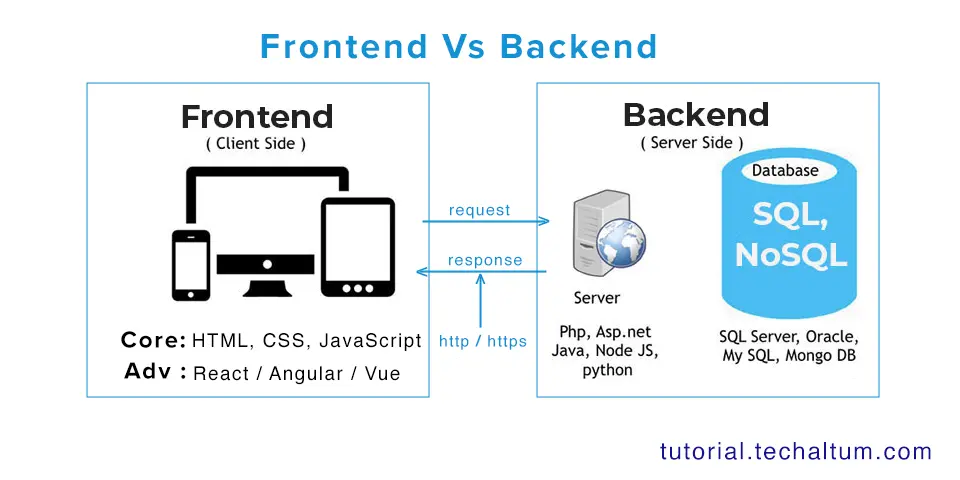
JavaScript runs in the browser, making it an essential tool for client-side development. Additionally, with the rise of server-side frameworks like Node.js, JavaScript can also be used to build full-scale server applications, but its core role in web interactivity remains unrivaled.
How JavaScript Adds Interactivity

Interactivity refers to the capability of a website to respond to user actions. JavaScript enables this by providing tools and methods that respond to events such as clicks, mouse movements, key presses, and form submissions. For example, consider a simple form on a web page. With JavaScript, a developer can validate the user’s input in real-time, preventing errors before the form is submitted. Similarly, buttons can trigger animations, images can change on hover, and content can appear or disappear based on user choices—all thanks to JavaScript.
Another example is interactive navigation menus. JavaScript can create dropdown menus that open when a user hovers over an item, or modals that pop up with additional information. This interactivity makes websites more user-friendly, guiding users smoothly through complex interfaces and improving overall usability.
Dynamic Behavior with JavaScript
Dynamic behavior in web development refers to the ability of a web page to change content, layout, or functionality in response to user actions or data. Unlike static websites, where the content remains the same unless manually updated, dynamic websites can adjust content on the fly. JavaScript is the driving force behind this dynamism.
For instance, consider a news website. Using JavaScript, the site can fetch the latest articles from a server and display them without refreshing the page. Similarly, e-commerce platforms use JavaScript to update shopping carts in real-time, calculate totals dynamically, and provide instant feedback when items are added or removed. This seamless user experience is possible because JavaScript can manipulate the Document Object Model (DOM), which represents the structure of the web page in memory. By updating the DOM, JavaScript can change content, style, and structure on the fly, creating dynamic and responsive experiences.
Event-Driven Programming
One of the core concepts in JavaScript is event-driven programming. Events are actions or occurrences that happen in the browser, such as clicking a button, scrolling a page, or resizing a window. JavaScript allows developers to listen for these events and execute code in response. This approach enables interactive and dynamic behavior, as the website can react to user input in real-time.
For example, a developer can create a photo gallery where clicking on a thumbnail displays a larger version of the image. This behavior is achieved by attaching event listeners to each thumbnail. When a user clicks, JavaScript runs a function that updates the main display area with the selected image. Event-driven programming is central to creating responsive interfaces and engaging user experiences.
DOM Manipulation
The Document Object Model (DOM) is a representation of a web page’s structure as a tree of elements. JavaScript interacts with the DOM to create, remove, or modify elements dynamically. This capability allows developers to change the content, attributes, and styles of web pages without needing to reload the page. For example, JavaScript can create new elements on the fly, update text content, change the appearance of elements based on user input, or even remove elements entirely.
Consider an online quiz application. When a user answers a question, JavaScript can immediately provide feedback, highlight correct and incorrect answers, and move to the next question without reloading the page. This dynamic manipulation of the DOM is what makes web applications feel smooth, responsive, and modern.
Animations and Effects
Animations are another way JavaScript adds interactivity. By changing element styles over time, developers can create engaging visual effects. Animations can range from simple tasks like fading elements in and out to complex sequences such as interactive games or visual storytelling experiences. While CSS can handle basic animations, JavaScript offers greater control and flexibility, especially when animations need to respond to user input or interact with other parts of the application.
For instance, a JavaScript-driven carousel can automatically slide through images, pause when the user hovers over it, and allow manual navigation with buttons. These effects enhance the visual appeal of a website and make user interaction more enjoyable.
Form Validation
Forms are essential for collecting user information, but they can be a source of frustration if handled poorly. JavaScript improves the usability of forms by validating input before submission. This prevents errors, reduces server load, and provides immediate feedback to users.
For example, JavaScript can check if an email address is correctly formatted, if required fields are filled, or if passwords meet certain security criteria. By handling validation on the client side, users can correct mistakes instantly, improving the overall experience and reducing frustration.
Enhancing User Experience
Ultimately, JavaScript’s primary role is to enhance the user experience. Websites that rely solely on HTML and CSS are static and limited in functionality. JavaScript transforms these static pages into interactive environments where users can engage directly with content, navigate smoothly, and receive instant feedback. Features like live search suggestions, interactive maps, dynamic content filtering, and real-time notifications all rely on JavaScript to function effectively.
The Role of JavaScript Frameworks and Libraries
While raw JavaScript is powerful, frameworks and libraries like React, Angular, and Vue have made building interactive and dynamic web applications more efficient. These tools provide structured approaches to DOM manipulation, event handling, and component management, allowing developers to focus on creating rich user experiences without reinventing the wheel.
For example, React allows developers to build user interfaces as reusable components that automatically update when data changes. This approach makes it easier to manage complex, dynamic applications while maintaining performance and usability. Regardless of the tools used, the foundation of interactivity and dynamic behavior remains JavaScript.
JavaScript Beyond the Browser
Although JavaScript is best known for its role in client-side development, it has expanded far beyond the browser. With technologies like Node.js, developers can build server-side applications, command-line tools, and even desktop applications using JavaScript. This universality reinforces JavaScript’s importance as a versatile programming language capable of powering both the front-end and back-end of modern web applications.
Conclusion
JavaScript has transformed the web from a collection of static pages into a dynamic, interactive ecosystem. By enabling interactivity, manipulating content in real-time, and responding to user events, JavaScript enhances user experiences and makes modern web applications possible. From validating forms to creating animations, interactive galleries, and live data updates, JavaScript’s role in web development is indispensable.
In a world where users expect instant feedback, seamless navigation, and engaging experiences, JavaScript stands as the cornerstone of dynamic web behavior. Its ability to breathe life into web pages ensures that the web is not just a place to read content but a space to interact, explore, and experience.