
Introduction
Digital marketing has become an essential tool for businesses of all sizes. Whether you are a small business owner, a freelancer, or an aspiring marketer, understanding the fundamentals of digital marketing can significantly impact your online success. Unlike traditional marketing, digital marketing allows you to reach a wider audience, track results, and adjust strategies quickly.
With the rise of social media platforms, search engines, and online advertising, businesses can now promote their products and services more efficiently than ever before. However, without proper knowledge and planning, many beginners struggle to use digital marketing effectively. That’s why learning actionable digital marketing tips is crucial for anyone who wants to grow online.
In this article, we will break down digital marketing into simple, easy-to-follow strategies suitable for beginners and intermediate users. From understanding the basics to implementing advanced techniques, this guide will help you optimize your campaigns, attract more customers, and increase your online revenue. By the end, you will be equipped with practical tips that you can start using today.
What is Digital Marketing?
Digital marketing refers to promoting products, services, or brands using online platforms and digital technologies. It includes all marketing efforts that involve the internet, social media, search engines, emails, mobile apps, and websites.
Unlike traditional marketing methods such as print ads or TV commercials, digital marketing is measurable, flexible, and cost-effective. Businesses can reach their target audience globally, analyze campaign performance in real-time, and adjust strategies based on data insights.
Some common forms of digital marketing include:
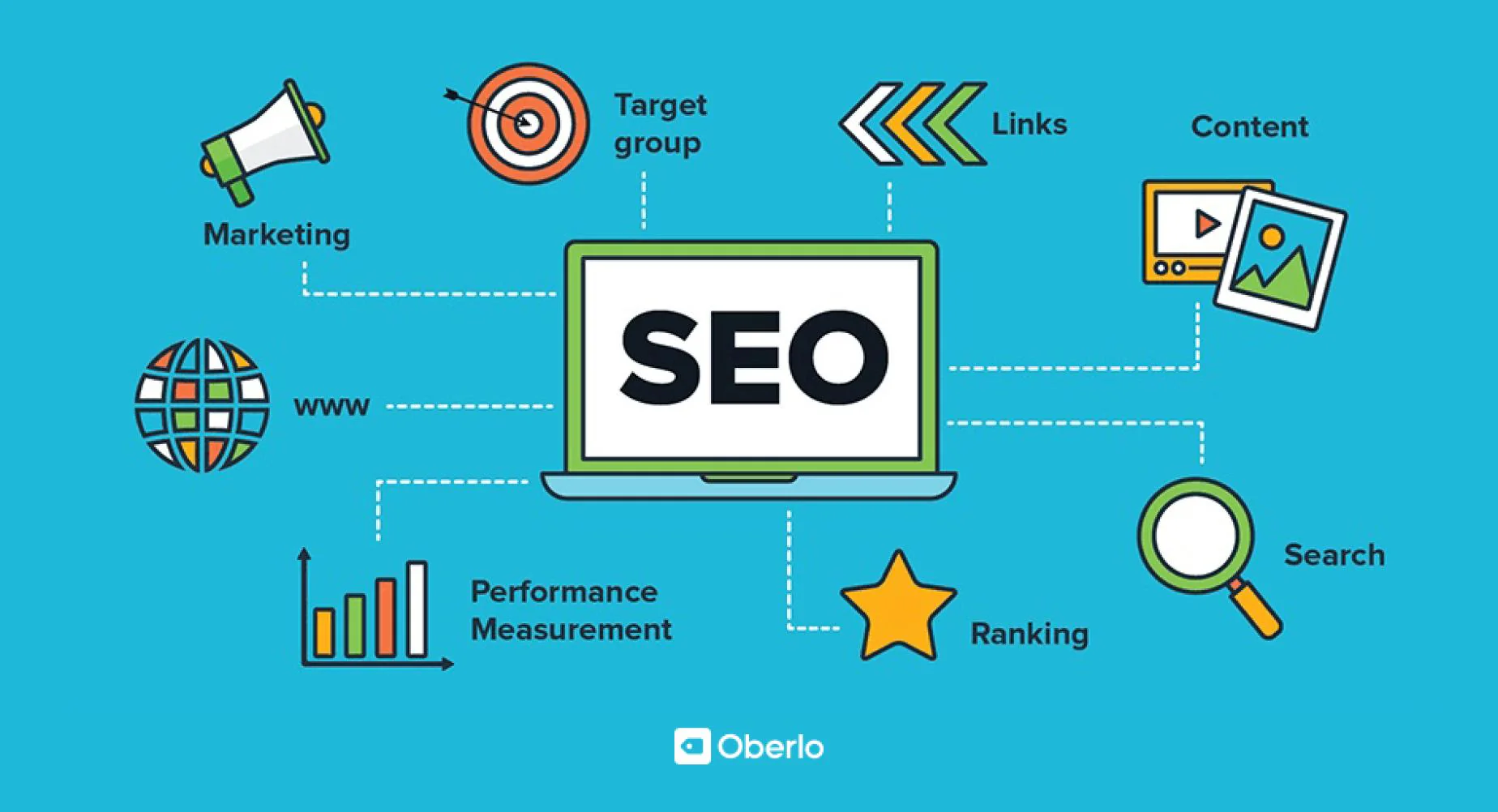
- Search Engine Optimization (SEO): Optimizing your website to rank higher in search engine results.
- Content Marketing: Creating blogs, videos, and infographics to engage and educate the audience.
- Social Media Marketing: Promoting products on platforms like Facebook, Instagram, and LinkedIn.
- Email Marketing: Sending personalized messages to potential and existing customers.
- Pay-Per-Click (PPC) Advertising: Running paid ads on Google, social media, or other platforms.
Digital marketing is not just for large companies. Small businesses, startups, and individuals can leverage these strategies to build a strong online presence and compete in any niche.
Why is Digital Marketing Important?

Digital marketing is important for several reasons, especially in today’s digital-first world:
- Wider Reach: Online marketing allows you to connect with customers across the globe.
- Cost-Effective: Compared to traditional advertising, digital campaigns can be more affordable.
- Targeted Marketing: You can target your audience based on demographics, interests, and online behavior.
- Measurable Results: Analytics tools help you track performance and measure ROI.
- Brand Awareness: Regular online engagement helps establish your brand identity.
- Flexibility: Campaigns can be adjusted in real-time for better results.
With millions of users online every day, neglecting digital marketing can mean missing out on potential customers and revenue. Businesses that invest in digital marketing gain a competitive edge and increase their chances of success in today’s market.
Detailed Step-by-Step Guide
Implementing effective digital marketing requires a structured approach. Here’s a step-by-step guide to help you succeed:
Step 1: Set Clear Goals
Before starting any campaign, define your objectives. Common digital marketing goals include:
- Increasing website traffic
- Generating leads or sales
- Boosting social media engagement
- Improving brand visibility
Step 2: Understand Your Audience
Knowing your audience is key to delivering the right message. Consider:
- Age, gender, location
- Interests and hobbies
- Online behavior and buying patterns
Use analytics tools, surveys, and social media insights to gather this data.
Step 3: Build a Strong Website
Your website is your digital storefront. Make sure it is:
- Mobile-friendly
- Fast-loading
- Easy to navigate
- SEO optimized with primary and secondary keywords
Step 4: Optimize for SEO
SEO is crucial for organic traffic. Focus on:
- Keyword research for your niche
- Creating high-quality content
- Optimizing meta titles, descriptions, and headings
- Building backlinks from reputable sources
Step 5: Create Engaging Content
Content marketing helps attract and retain your audience. Types of content include:
- Blogs and articles
- Videos and tutorials
- Infographics and images
- Case studies and guides
Make content informative, valuable, and easy to read.
Step 6: Leverage Social Media
Social media platforms help you engage with your audience. Tips include:
- Choose platforms relevant to your niche
- Post consistently
- Use stories, reels, and live sessions
- Engage with comments and messages
Step 7: Use Email Marketing
Email marketing builds long-term relationships. Best practices:
- Personalize emails
- Segment your audience
- Include clear call-to-action (CTA)
- Track open rates and clicks
Step 8: Run Paid Advertising
Paid ads can boost visibility and generate leads quickly. Common platforms:
- Google Ads
- Facebook and Instagram Ads
- LinkedIn Ads
Set budgets, target the right audience, and monitor ad performance.
Step 9: Analyze and Improve
Regular analysis ensures campaigns are effective. Track:
- Website traffic
- Engagement metrics
- Conversion rates
- ROI
Use tools like Google Analytics, social media insights, and email reports to make data-driven decisions.
Benefits of Digital Marketing
Implementing digital marketing strategies offers several benefits:
- Increased brand visibility and recognition
- Better audience targeting and engagement
- Cost-effective marketing compared to traditional methods
- Real-time results and analytics
- Higher ROI and sales growth
- Ability to reach global customers
- Strengthened customer relationships through personalized campaigns
Disadvantages / Risks
While digital marketing has many benefits, there are some potential drawbacks:
- High competition in online spaces
- Requires consistent effort and updates
- Risk of negative reviews affecting brand image
- Technical issues like website downtime or broken links
- Ad fatigue or poor campaign targeting can waste budget
Common Mistakes to Avoid
Avoiding these mistakes can improve your digital marketing results:
- Ignoring SEO: Neglecting search optimization limits organic traffic.
- Overloading Ads: Too many ads can annoy users and reduce engagement.
- Lack of Audience Research: Without understanding your audience, campaigns fail.
- Inconsistent Posting: Irregular content posting lowers audience trust.
- Ignoring Analytics: Not tracking results prevents improvement.
- Copying Competitors: Originality is key for long-term success.
FAQs
1. What is the best digital marketing strategy for beginners?
Start with SEO, social media, and content marketing. Focus on building a website and consistently posting valuable content.
2. How much does digital marketing cost?
Costs vary depending on the platform, campaign type, and scale. Beginners can start with minimal budgets using organic strategies.
3. Can small businesses benefit from digital marketing?
Yes, small businesses can compete with larger companies by targeting niche audiences effectively online.
4. How do I measure digital marketing success?
Use analytics tools to track website traffic, engagement, lead generation, and conversions. Metrics like ROI and CTR are critical.
5. How often should I post content on social media?
Consistency is more important than frequency. Posting 3–5 times a week is a good starting point for most businesses.
6. Is email marketing still effective?
Yes, personalized email campaigns have high ROI and help maintain customer relationships over time.
7. What common mistakes should I avoid in digital marketing?
Avoid ignoring SEO, overloading ads, inconsistent posting, and neglecting analytics. Focus on audience research and originality.
Expert Tips & Bonus Points
- Use Video Content: Videos increase engagement and conversions. Short tutorials, product demos, and live sessions work well.
- Leverage Influencers: Collaborate with niche influencers to expand your reach.
- Repurpose Content: Turn blogs into videos, infographics, or podcasts for wider distribution.
- Stay Updated: Digital marketing trends change rapidly; follow updates and adjust strategies.
- Engage Your Audience: Reply to comments, emails, and messages to build trust.
- A/B Testing: Test ads, emails, and landing pages to find what works best.
Conclusion
Digital marketing is no longer optional—it’s a necessity for anyone looking to grow online. By following these digital marketing tips, beginners and intermediate users can create effective campaigns, attract the right audience, and boost their business growth.
From setting clear goals and understanding your audience to optimizing content, leveraging social media, and tracking performance, every step contributes to online success. While there are risks and challenges, consistent effort, strategic planning, and regular analysis can overcome them.
Investing in digital marketing equips you with tools to compete globally, reach potential customers, and improve revenue. The key is to stay patient, keep learning, and apply proven strategies. Start today, implement these tips, and watch your online presence and business performance grow steadily.