

Freelancing has transformed the way people work in the 21st century. Unlike traditional jobs, freelancing offers freedom, flexibility, and the opportunity to work on diverse projects. With the rise of the internet, freelancing has become a viable career option for millions around the world. This article explores what freelancing is, its benefits, challenges, and how to succeed as a freelancer.
What is Freelancing?
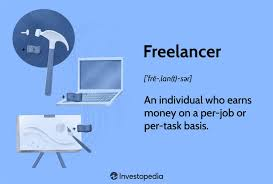
Freelancing is a type of work where individuals offer their skills and services to clients without being permanently employed by one company. Freelancers are self-employed professionals who take on projects for various clients, often on a contract or temporary basis. Common freelance jobs include writing, graphic design, web development, marketing, photography, and consulting.
The concept of freelancing is not entirely new. Historically, writers, artists, and craftsmen worked independently, taking jobs as they came. However, the digital age has made freelancing more accessible than ever, allowing people to connect with clients globally.
The Rise of Freelancing

Over the past decade, freelancing has grown significantly. Advances in technology, online platforms, and remote communication have created a global marketplace for freelance work. Platforms and marketplaces allow freelancers to showcase their skills, bid on projects, and communicate with clients worldwide.
Several factors have contributed to the rise of freelancing:
- Technological Advancements: High-speed internet, cloud computing, and collaboration tools make remote work feasible.
- Globalization: Businesses can now hire talent from anywhere in the world, often at competitive rates.
- Changing Work Preferences: Many professionals now prefer flexible work schedules and independence.
- Economic Factors: Companies often hire freelancers to reduce overhead costs and increase efficiency.
Freelancing is no longer just a side hustle; for many, it has become a primary source of income and even a long-term career path.
Benefits of Freelancing
Freelancing comes with several advantages that make it an attractive option for professionals:
1. Flexibility
One of the most significant benefits of freelancing is the freedom to choose when and where you work. Freelancers can set their schedules, allowing them to balance work with personal commitments. This flexibility is especially beneficial for parents, students, or anyone seeking better work-life balance.
2. Autonomy
Freelancers have the liberty to choose projects that align with their skills and interests. Unlike traditional jobs, where tasks may be assigned, freelancers can decide what work to accept. This autonomy often leads to greater job satisfaction and personal growth.
3. Diverse Opportunities
Freelancing allows professionals to work on a variety of projects and industries. This diversity can enhance skills, expand experience, and create exciting career opportunities. It also reduces dependency on a single employer, providing financial stability through multiple income sources.
4. Income Potential
Freelancers often have control over their rates and earnings. Skilled freelancers can charge premium rates, particularly if they specialize in high-demand fields. While income may fluctuate initially, successful freelancers often earn more than traditional employees in similar roles.
5. Global Reach
The digital nature of freelancing enables professionals to work with clients from around the world. This global reach opens doors to international projects and collaborations that would be impossible in a local office setting.
Challenges of Freelancing
Despite its many advantages, freelancing also presents challenges that require careful management:
1. Income Uncertainty
Freelancers may face periods without steady income. Unlike salaried employees, there is no guaranteed paycheck, which can make financial planning difficult. Building a strong client base and maintaining multiple projects is essential to manage this uncertainty.
2. Self-Discipline
Freelancing demands a high level of self-motivation and discipline. Without a fixed schedule or manager, freelancers must manage their time effectively to meet deadlines. Procrastination or poor planning can directly affect income and reputation.
3. Lack of Benefits
Freelancers usually do not receive benefits like health insurance, paid leave, or retirement plans. They must handle taxes, insurance, and other administrative tasks themselves, which can be challenging, especially for beginners.
4. Competition
The freelancing marketplace is highly competitive. Many talented individuals vie for the same projects, making it crucial to differentiate oneself through quality work, niche expertise, and strong client relationships.
5. Work-Life Balance
Ironically, while freelancing offers flexibility, it can also blur the boundaries between work and personal life. Some freelancers struggle to disconnect from work, leading to burnout if boundaries are not maintained.
How to Succeed as a Freelancer
Success in freelancing is not just about skills; it requires strategy, persistence, and professionalism. Here are key steps to build a thriving freelance career:
1. Identify Your Skills and Niche
Focus on what you excel at and enjoy doing. Specializing in a niche makes it easier to target clients and stand out from the competition. For example, instead of offering general writing services, a freelancer might specialize in technical writing, digital marketing content, or copywriting for e-commerce.
2. Build a Strong Portfolio
A portfolio showcasing your best work is crucial. It demonstrates expertise and builds trust with potential clients. Include detailed descriptions, examples, and client testimonials if possible. A compelling portfolio often serves as the first impression of your professionalism.
3. Market Yourself
Freelancers must actively market their services. This can be done through online platforms, social media, networking events, and personal websites. Consistent self-promotion helps attract new clients and build a reputation in your industry.
4. Set Realistic Rates
Pricing can be challenging for freelancers. Setting rates too low can undervalue your skills, while high rates may deter clients. Research industry standards, consider your experience, and gradually increase rates as your reputation grows.
5. Communicate Effectively
Clear communication with clients is essential. Understand project requirements, provide regular updates, and address concerns promptly. Strong communication fosters trust, encourages repeat business, and minimizes misunderstandings.
6. Manage Finances Wisely
Freelancers should maintain accurate financial records, save for taxes, and plan for slow periods. Using budgeting tools, invoicing software, and financial planning can make freelancing more sustainable.
7. Continuously Learn and Adapt
Freelancing markets evolve quickly. Stay updated with industry trends, learn new skills, and adapt to changing client demands. Continuous improvement enhances competitiveness and increases earning potential.
Freelancing in the Future
The future of freelancing looks promising. As companies embrace remote work and flexible staffing, the demand for skilled freelancers is expected to grow. Automation and artificial intelligence may shift the type of work available, but creative and specialized skills will remain valuable.
Freelancing is likely to become more structured and professionalized, with better tools for managing projects, payments, and client relationships. Additionally, freelancers may form communities and networks to share knowledge, collaborate, and gain support.
Conclusion
Freelancing is more than just a trend; it represents a fundamental shift in the way people work. It offers freedom, flexibility, and opportunities for professional growth. However, it also comes with challenges such as income uncertainty and competition. By focusing on skills, building a strong portfolio, and managing work effectively, anyone can thrive as a freelancer.
Whether you are a student, a professional seeking extra income, or someone looking to escape the traditional 9-to-5 routine, freelancing offers a path to independence and personal fulfillment. With dedication, strategy, and adaptability, freelancing can be a rewarding career that provides both financial stability and personal satisfaction.