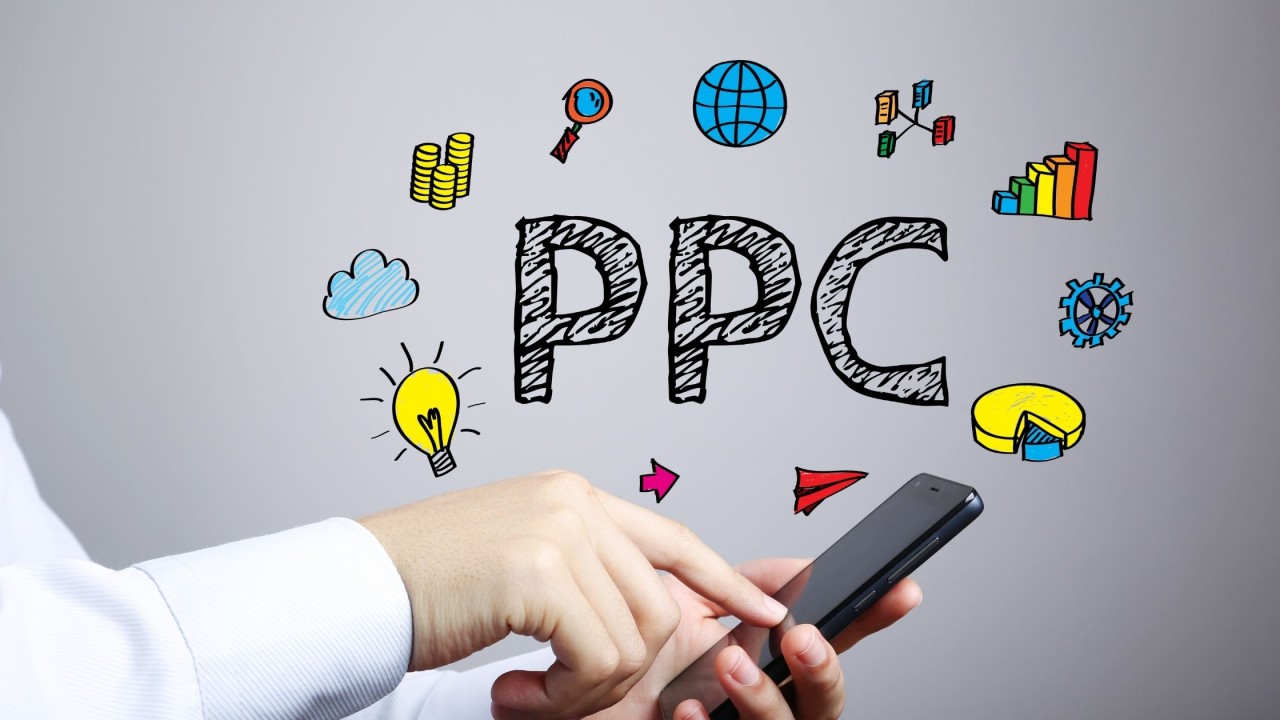

In the digital marketing world, one of the most effective methods for driving immediate traffic to websites is PPC (Pay-Per-Click advertising). It is a model of internet marketing where advertisers pay a fee each time their ad is clicked. Essentially, it’s a way of buying visits to your website rather than earning them organically through search engine optimization (SEO).
PPC has become a cornerstone of online advertising strategies because it allows businesses to target specific audiences, measure results accurately, and scale campaigns according to their budget and goals.
What is PPC?
PPC, short for Pay-Per-Click, is a form of digital advertising in which advertisers bid on specific keywords related to their products or services. When a user searches for those keywords online, the advertiser’s ad may appear at the top of search engine results pages or on relevant websites.
Unlike traditional advertising methods such as print or TV ads, PPC allows businesses to pay only when someone clicks on their ad, making it highly cost-effective when managed properly.
How Does PPC Work?
The mechanics of PPC advertising can vary depending on the platform, but most campaigns operate under a similar structure:
- Keyword Research: Advertisers choose keywords they want to target. These keywords are terms or phrases that potential customers are likely to type into search engines.
- Bidding System: PPC works on a bidding model where advertisers set the maximum amount they are willing to pay per click on their ad. The higher the bid and the quality of the ad, the better the chance it will appear in search results.
- Ad Creation: Advertisers create compelling ads that attract users to click. These ads typically include a headline, a brief description, and a call to action.
- Ad Placement: When a user searches using a targeted keyword, the platform runs an auction to determine which ads will appear. Ads with high relevance and quality score often win even if their bid is lower.
- Payment: The advertiser pays the platform only when the user clicks on the ad, hence the term “pay-per-click.”
This system ensures that advertisers are only paying for actual engagement, rather than just ad exposure.
Popular PPC Platforms
Several platforms dominate the PPC advertising space:
- Google Ads: The most widely used PPC platform. It allows advertisers to display their ads on Google search results and across Google’s network of partner websites.
- Bing Ads: Similar to Google Ads but targeted toward users of Microsoft’s search engine. While it has a smaller audience, it can be more cost-effective.
- Social Media Platforms: Facebook, Instagram, LinkedIn, and Twitter also offer PPC advertising. These platforms allow highly targeted campaigns based on demographics, interests, and behavior.
Each platform has its own rules, auction mechanisms, and audience targeting features, which makes choosing the right platform essential for campaign success.
Benefits of PPC Advertising
PPC advertising offers several advantages that make it a popular choice for businesses:
1. Immediate Traffic
Unlike SEO, which can take months to show results, PPC can drive visitors to a website as soon as the campaign goes live. This is particularly beneficial for new businesses or time-sensitive promotions.
2. Targeted Advertising
PPC platforms allow precise targeting based on location, language, device, time of day, and even user behavior. This ensures that ads reach the most relevant audience.
3. Measurable Results
Every aspect of a PPC campaign can be measured. Advertisers can track clicks, conversions, cost-per-click, return on investment, and more. This data allows businesses to optimize campaigns for maximum efficiency.
4. Budget Control
Advertisers can set daily or monthly budgets, and campaigns stop automatically once the budget is exhausted. This level of control prevents overspending and allows for strategic allocation of funds.
5. Brand Visibility
Even if users don’t click on an ad, appearing at the top of search results enhances brand awareness. Over time, this can build credibility and recognition in the market.
Common PPC Strategies
To maximize the effectiveness of PPC campaigns, marketers employ various strategies:
1. Keyword Targeting
Selecting the right keywords is crucial. Broad keywords may attract more traffic but can be expensive and less targeted, while long-tail keywords often bring in more qualified leads at a lower cost.
2. Ad Copy Optimization
Creating compelling ad copy with clear benefits, strong calls-to-action, and relevant keywords improves click-through rates and overall campaign performance.
3. Landing Page Optimization
PPC ads lead users to landing pages. Ensuring these pages are relevant, fast, and user-friendly increases the chances of conversion.
4. Remarketing
Remarketing targets users who have previously visited a website but didn’t convert. By showing ads to these users, businesses can encourage them to return and complete an action.
5. A/B Testing
Testing different versions of ads, headlines, and landing pages helps identify the most effective approach, leading to better results over time.
Challenges of PPC Advertising
Despite its benefits, PPC advertising comes with challenges:
- High Competition: Popular keywords can be expensive due to intense competition. New advertisers may find it challenging to compete without proper strategy.
- Click Fraud: Competitors or bots may click on ads maliciously, increasing costs without generating genuine leads.
- Complexity: PPC platforms require understanding of bidding strategies, keyword match types, and analytics. Without proper knowledge, campaigns may underperform.
- Continuous Optimization: Successful campaigns require ongoing monitoring and adjustments to maintain performance and cost efficiency.
Understanding these challenges is essential for businesses to make informed decisions and manage campaigns effectively.
Measuring PPC Success
The success of a PPC campaign is measured using several key metrics:
- Click-Through Rate (CTR): The percentage of users who click on an ad after seeing it.
- Cost Per Click (CPC): The amount paid for each click.
- Conversion Rate: The percentage of visitors who take a desired action after clicking the ad.
- Return on Ad Spend (ROAS): Measures revenue generated relative to the amount spent on ads.
- Quality Score: A metric used by platforms like Google Ads to assess the relevance and quality of ads and keywords.
By monitoring these metrics, advertisers can identify areas for improvement and ensure campaigns deliver a positive return on investment.
PPC vs. Organic Marketing
PPC is often compared to organic marketing strategies like SEO. While both aim to attract visitors, their approaches differ:
- PPC: Paid, immediate, and highly targeted. Costs money for each click but delivers fast results.
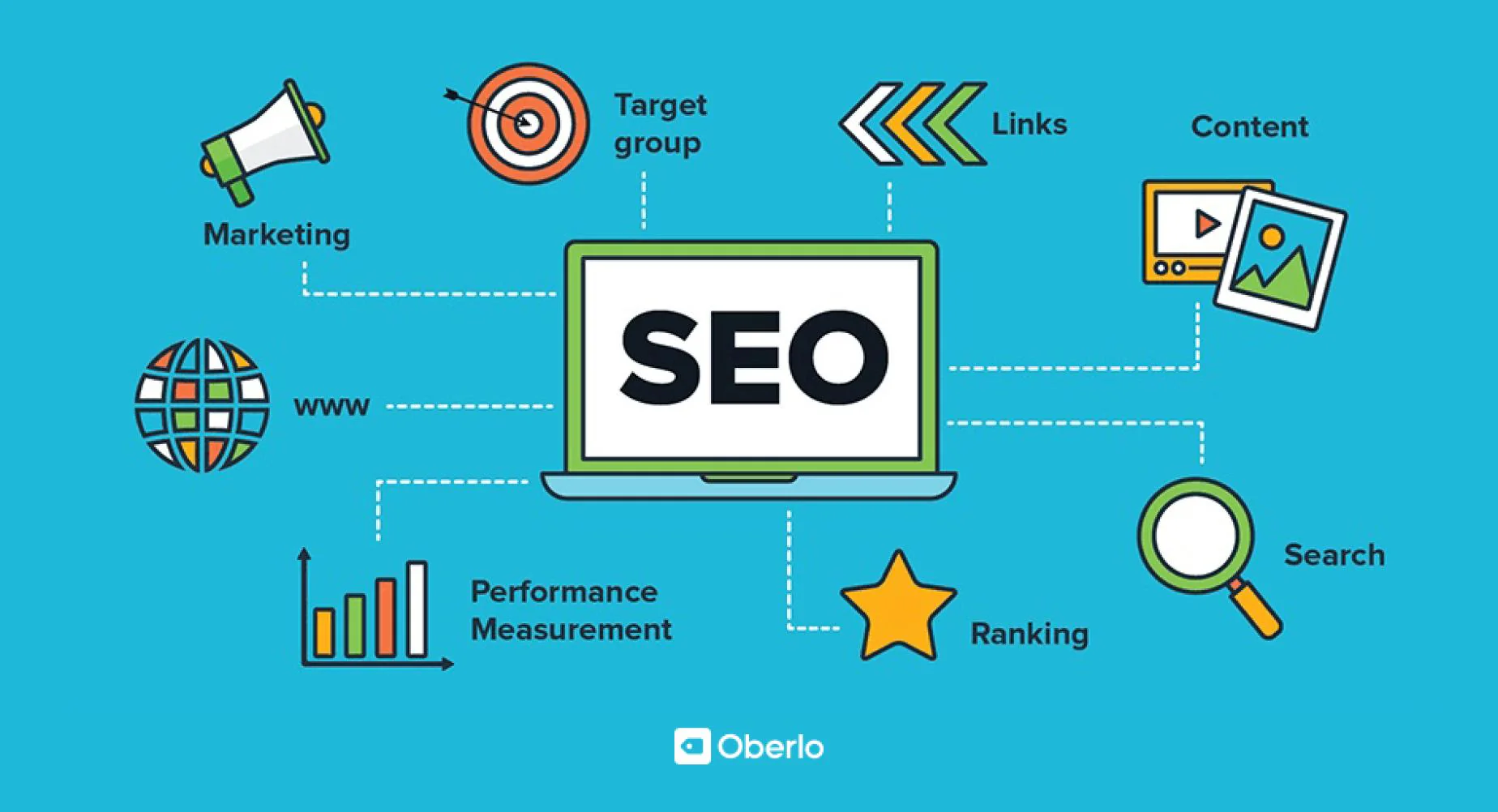
- SEO: Free (no direct cost per click), slower to yield results, and depends on content and optimization efforts.
In many cases, combining PPC with SEO creates a balanced marketing approach that drives both immediate and long-term traffic.
Conclusion
PPC (Pay-Per-Click advertising) is a powerful digital marketing tool that allows businesses to reach their target audience effectively and efficiently. By carefully selecting keywords, optimizing ads and landing pages, and continuously monitoring performance, companies can generate high-quality traffic, boost conversions, and achieve measurable results.
While PPC requires careful planning, strategy, and ongoing optimization, its benefits—immediate visibility, precise targeting, and measurable ROI—make it an essential component of any comprehensive digital marketing strategy.
For businesses looking to grow online, PPC offers a direct route to attracting customers and driving sales, proving its value as a cornerstone of modern advertising.