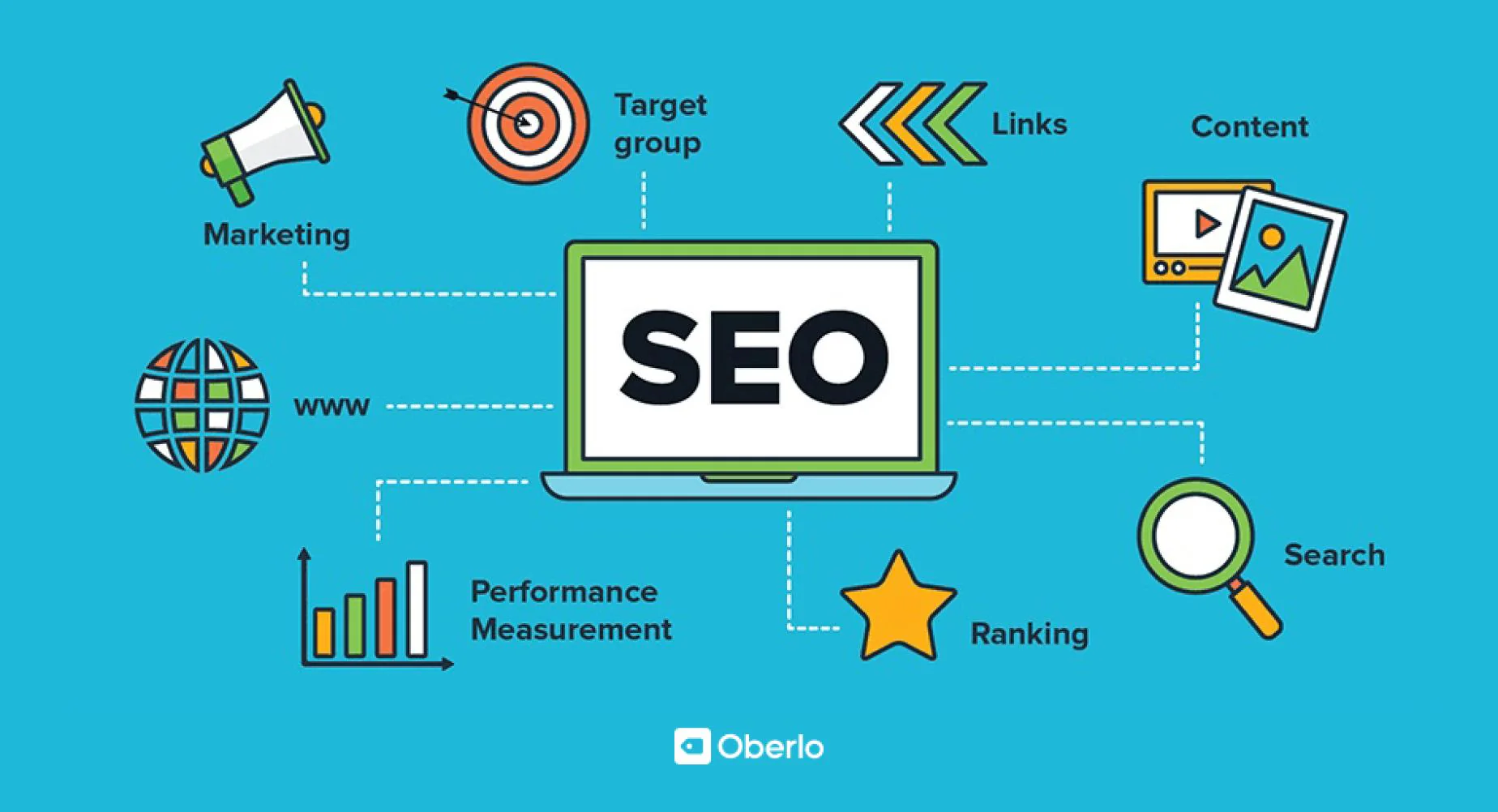

Search Engine Optimization, commonly known as SEO, is a fundamental aspect of digital marketing that focuses on improving a website’s visibility on search engines. In simple terms, SEO helps websites rank higher in search engine results, making it easier for people to find content, products, or services online. In today’s digital world, where millions of websites compete for attention, SEO is essential for attracting traffic and growing an online presence.
What is SEO?
SEO is the process of optimizing a website to increase its visibility when users search for relevant terms in search engines like Google, Bing, or Yahoo. The better optimized a website is, the more likely it is to appear on the first page of search results. Studies show that most users rarely go beyond the first page, so ranking high is crucial for generating traffic.
SEO is not just about search engines; it’s about improving the overall user experience. A well-optimized site is faster, mobile-friendly, and easier to navigate. SEO combines technical elements, content strategies, and user experience improvements to help a website perform better online.
Why SEO is Important
- Increased Visibility and Traffic
The primary goal of SEO is to increase a website’s visibility. Higher visibility in search engines means more organic traffic. Organic traffic is valuable because it targets users who are actively looking for information or solutions. Unlike paid ads, organic traffic is free, making SEO a cost-effective marketing strategy. - Builds Credibility and Trust
Websites that rank higher in search results are often seen as more trustworthy. Users tend to trust search engines to deliver relevant and reliable results. A strong SEO strategy can help establish credibility and authority in your niche. - Better User Experience
SEO is not only about keywords and links. It also focuses on improving the user experience by making a site faster, mobile-friendly, and easy to navigate. A well-structured website encourages users to stay longer, reducing bounce rates and increasing engagement. - Long-Term Marketing Strategy
While paid advertising can bring immediate traffic, SEO offers long-term benefits. Once a website ranks well, it can maintain a steady flow of organic traffic with minimal ongoing costs. Effective SEO is an investment that can yield sustainable results.
Types of SEO
SEO can be divided into several categories, each focusing on different aspects of website optimization. Understanding these types is essential for building a comprehensive SEO strategy.
1. On-Page SEO
On-page SEO refers to the optimization of individual web pages to rank higher in search engines. This includes optimizing content, HTML tags, images, and internal links. Key elements of on-page SEO include:
- Keyword Optimization: Using relevant keywords naturally in titles, headings, and content.
- Meta Tags: Writing effective meta titles and descriptions to improve click-through rates.
- Content Quality: Creating original, informative, and engaging content that satisfies user intent.
- URL Structure: Using clean and descriptive URLs that are easy to read and index.
- Internal Linking: Linking to other pages within the website to improve navigation and authority.
2. Off-Page SEO
Off-page SEO focuses on activities outside the website that impact its rankings. This mainly involves building backlinks, which are links from other websites pointing to your site. High-quality backlinks act as votes of confidence, signaling to search engines that your website is trustworthy and authoritative.
Other off-page factors include:
- Social Signals: Shares, likes, and mentions on social media can indirectly influence SEO.
- Brand Mentions: Being referenced in news articles, blogs, or forums without direct links.
- Guest Blogging: Writing articles for other websites to gain exposure and credibility.
3. Technical SEO
Technical SEO deals with the backend structure of a website. It ensures that search engines can crawl, index, and understand the website effectively. Important aspects of technical SEO include:
- Site Speed: Faster websites improve user experience and ranking.
- Mobile Optimization: Ensuring the site is responsive and works well on all devices.
- XML Sitemap: Helping search engines discover and index pages.
- Structured Data: Using schema markup to enhance search result listings.
- Secure Website (HTTPS): Ensuring the site is safe for users and search engines.
4. Local SEO
Local SEO is designed to optimize a website for location-based searches. This is particularly important for businesses serving a specific geographic area. Key strategies include:
- Optimizing Google Business Profile
- Using local keywords
- Gathering positive reviews
- Creating location-specific content
Local SEO helps businesses attract nearby customers and increases the chances of appearing in local search results and maps.
How SEO Works
Search engines use complex algorithms to determine which websites appear in search results. SEO works by aligning a website with these algorithms through optimization strategies. Here’s a simplified overview of how it works:
- Crawling – Search engines use bots to discover web pages.
- Indexing – Discovered pages are stored in the search engine database.
- Ranking – Algorithms evaluate pages based on relevance, authority, and user experience to determine their order in search results.
By optimizing content, technical aspects, and backlinks, SEO helps search engines understand the website and rank it higher for relevant queries.
Key SEO Strategies
To achieve success with SEO, it’s important to implement a combination of strategies:
1. Keyword Research
Identify the terms users are searching for and create content around those keywords. Tools and analytics can help find high-traffic, low-competition keywords.
2. Content Creation
Produce high-quality, engaging, and informative content that satisfies user intent. Content can include blog posts, videos, infographics, and podcasts.
3. On-Page Optimization
Optimize titles, headings, images, and internal links. Ensure the website is user-friendly and easy to navigate.
4. Link Building
Acquire high-quality backlinks to increase authority. Avoid spammy links, as they can harm rankings.
5. Technical Improvements
Enhance site speed, mobile responsiveness, and security. Make sure search engines can crawl and index your site efficiently.
6. Monitoring and Analytics
Use analytics tools to track performance, understand user behavior, and adjust strategies accordingly. SEO is an ongoing process that requires regular monitoring.
Common SEO Mistakes to Avoid
- Keyword Stuffing – Overusing keywords can harm rankings and user experience.
- Ignoring Mobile Users – A website that isn’t mobile-friendly loses traffic and rankings.
- Poor Content Quality – Thin or duplicate content does not satisfy user intent.
- Neglecting Technical SEO – Slow websites, broken links, and poor navigation affect rankings.
- Ignoring Analytics – Without tracking performance, it’s hard to measure success or improve strategies.
The Future of SEO
SEO is constantly evolving due to changes in search engine algorithms, user behavior, and technology. Some emerging trends include:
- Voice Search Optimization – Optimizing content for voice queries using natural language.
- AI in SEO – AI tools can help create content, analyze data, and optimize strategies.
- User Experience Signals – Search engines increasingly consider user satisfaction in rankings.
- Mobile-First Indexing – Google now primarily uses the mobile version of a site for indexing and ranking.
Businesses that adapt to these trends and maintain a strong SEO strategy will stay ahead in the competitive digital landscape.
Conclusion
SEO, or Search Engine Optimization, is more than just a marketing tactic; it is an essential component of building a successful online presence. By focusing on improving visibility, user experience, and authority, SEO helps websites attract organic traffic, build trust, and achieve long-term growth.
Understanding the fundamentals of on-page, off-page, technical, and local SEO allows businesses and individuals to create strategies that drive results. While SEO requires patience and continuous effort, the benefits far outweigh the investment, making it one of the most effective ways to thrive in the digital world.